The Red Tin Reckoning: Fourteen Tomato Soups, One Slice of Toast, Zero Mercy
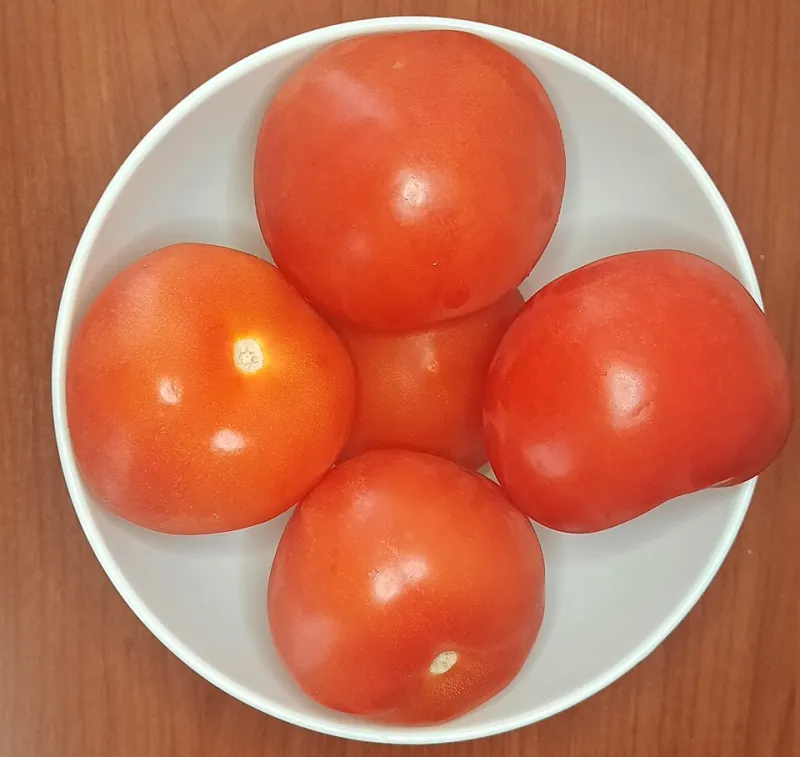
Photo: EstherDje, CC BY-SA 4.0, via Wikimedia Commons
November has done its thing again. The heating clicks on at half four, the toast goes down, and the cupboard door swings open on the same question: which tin actually earns its shelf space?
So we bought fourteen. Basics-range tins, mid-shelf names, and the chilled cartons that cost more than a decent pint. Everything got decanted into identical bowls, heated to the same temperature and handed to six of us with no packaging in sight. The room smelled of tomato for two days. Nobody complained.
The rules of engagement
Each soup got 200ml, a plain bowl, and a spoon. No cream, no basil, no grated cheese hiding the flaws. We scored three things: comfort (does it taste like being looked after?), crouton grip (does a toasted cube stay on the surface or dive for the bottom?), and cost per serving, worked out from the tin or carton price rather than the shelf-edge offer that vanishes by Tuesday.
Then we did a second pass with buttered toast soldiers, because that is how most of this country actually eats it.
Comfort: the part you cannot fake
Cheap tomato soup has a house style. It is sweet, it is thick, and it tastes faintly of the school dinner you had in 1998. Some of that is nostalgia doing heavy lifting. Some of it is genuinely good eating when the rain is horizontal.
The surprise was how narrow the gap has got. Two of the cheapest tins scored within half a point of a branded tin costing nearly three times as much. One of them was so close that a taster asked whether we had accidentally served the same soup twice. We had not.
The failures were not the budget end. They were the cartons that had clearly been designed for people who say things like bright and fresh. Bright is fine in a salad. In a bowl of tomato soup at six in the evening, bright reads as thin and slightly sharp, like passata that has been introduced to a kettle but never properly made friends with it.
Crouton grip: the test nobody else runs
Here is the thing about croutons. They float on a thick soup, they sink in a thin one, and somewhere in between is the sweet spot where a cube half-submerges and softens just enough to be worth the calories.
We put four standard croutons in each bowl and counted how many were still visible after ninety seconds. The thick, high-solids tins held all four. The thin cartons held one, briefly, before it went under like a stone in a canal.
Winning soup for grip was a mid-priced own-brand tin with a texture somewhere between velvet and wallpaper paste. That sounds like an insult. It is a compliment.
Cost per hug
Price per bowl is the number that matters when the boiler is on and the budget is tight. We worked it out per 200ml serving on the standard tin or carton size.
| Soup | Comfort /10 | Crouton grip /5 | Cost per bowl |
|---|---|---|---|
| Budget own-brand tin (2 of them) | 7.5 | 4 | 25–30p |
| Mid-shelf own-brand tin | 8 | 4.5 | 45p |
| Big-brand cream of tomato | 7.5 | 3.5 | 75p |
| Organic own-brand tin | 7 | 3.5 | 80p |
| Chilled premium carton | 6 | 1.5 | £2.10 |
| Reduced-salt carton | 5.5 | 1.5 | £1.80 |
| Budget carton | 6.5 | 2 | 90p |
Those two budget tins at roughly a quarter a bowl are the story of this test. They are not subtle. They are sweet, they are thick, and they do the job. If you want the soup to taste of anything other than tomato and sugar, spend the extra 20p.
Where the money went wrong
The chilled cartons lost, and they lost badly. Lovely packaging. Nice font. A serving cost closer to a coffee than a dinner, and a texture that made croutons look like a design flaw.
One taster described the priciest one as tomato tea. Another asked whether we were allowed to put it back in the fridge. We were not.
The reduced-salt carton was the other own goal. Lower salt in a tinned soup usually means more sugar or more water, and this one had both. Healthy on paper, sad in a bowl.
The 90-second upgrade
Buy a cheap tin and fix it yourself. Half a teaspoon of sugar if it tastes sharp, a splash of milk or a knob of butter for body, and a pinch of salt if it is bland rather than sweet. Stale bread blitzed into a hot pan of soup thickens it in under a minute and saves a crouton argument entirely.
And if you want the toast to feel like a proper meal, butter it while the soup is still heating, cut it into soldiers, and stand them in the bowl like a tiny fence. That is not a garnish. That is a structural decision.
The cupboard verdict
Buy two mid-shelf own-brand tins and one big-brand tin for the days when you want the one you grew up with. Keep a carton only if you genuinely like thin soup and have money to burn.
Everything else is a decision you make in the aisle, in the cold, with the trolley already half full. Now you can make it properly.